Precision Molecular Hair Restoration

Bioactive Peptide Therapy

Clinically studied bioactive peptides that target follicular stem cells, extend the anagen growth phase, and support the scalp's regenerative microenvironment — grounded in peer-reviewed research.

What Are Hair Regeneration Peptides?

Bioactive peptides are short chains of amino acids (2–50 residues) that act as precise molecular messengers in the body. In hair biology, specific peptides have been identified in published research for their ability to activate follicular stem cells, extend the anagen (growth) phase, inhibit DHT-mediated miniaturization, and stimulate scalp collagen and vascular networks.
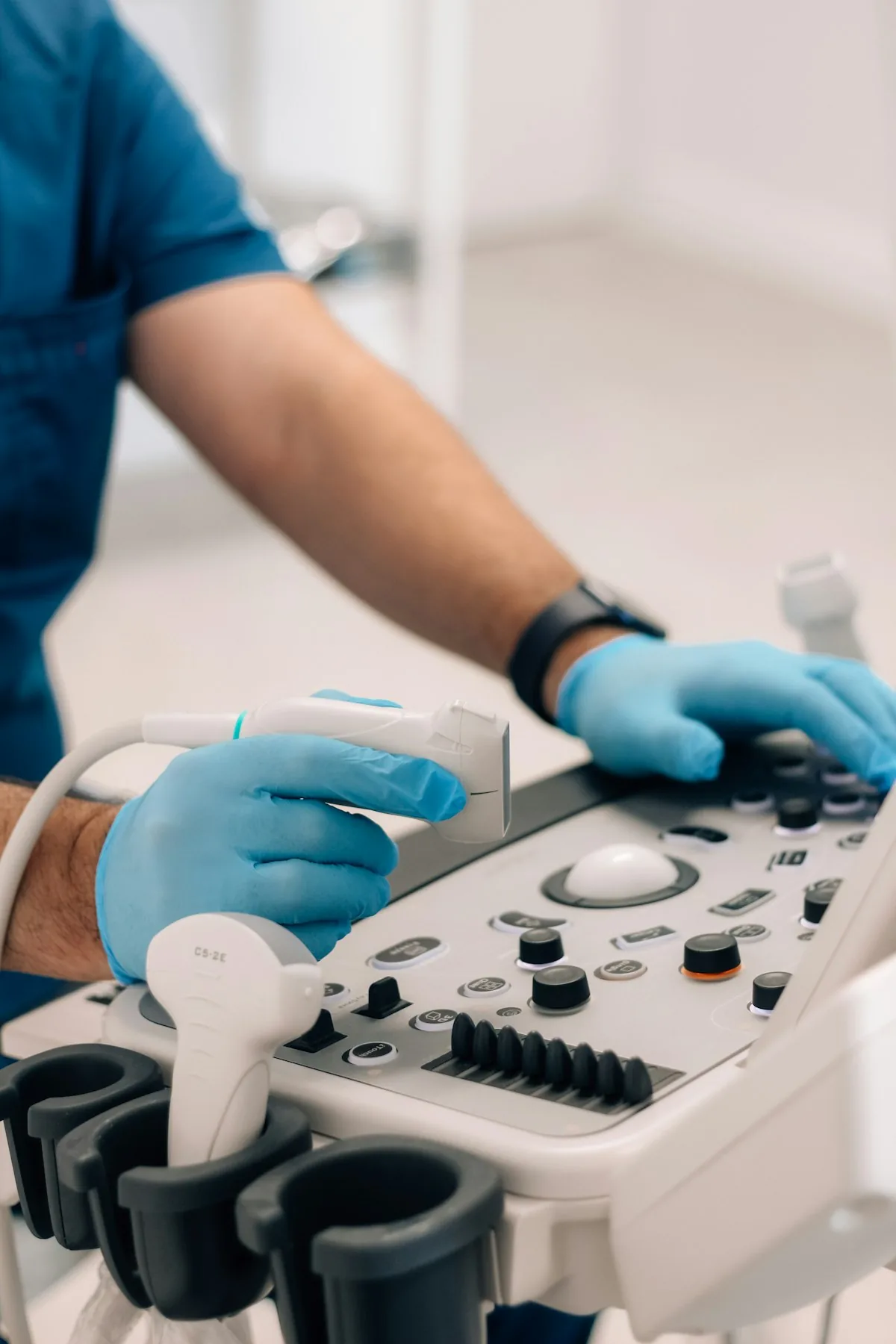
PROGEN™ incorporates a curated selection of the most clinically supported peptides as part of our comprehensive biohacking protocols, administered topically, by injection, or in combination with our ultrasound and exosome treatments for enhanced penetration and efficacy.

Bioactive Peptide Hair Therapy in Austin TX | Progen

How Bioactive Peptides Work in the Scalp

The scalp is not simply skin — it is a highly specialized biological environment housing thousands of hair follicles, each one a self-contained mini-organ that depends on a precise molecular ecosystem to function. Bioactive peptides interact with this ecosystem at the cellular level through six key mechanisms:

01.

Signaling the Dermal Papilla
At the base of every hair follicle sits the dermal papilla — a cluster of specialized cells that acts as the growth command center of the follicle. When peptides are delivered to the scalp, they bind to receptors on these cells and transmit signals that promote cell proliferation, protect against programmed cell death (apoptosis), and stimulate the production of growth factors including VEGF, IGF-1, and bFGF. These growth factors are the molecular triggers that move a follicle from its resting phase (telogen) back into active growth (anagen).

02.

Rebuilding the Extracellular Matrix (ECM)
Hair follicles are anchored in a structural scaffolding made of collagen, laminin, and fibronectin — collectively known as the extracellular matrix. In hair loss conditions, this scaffold degrades, the follicle loosens its attachment, and the anchoring weakens. Specific peptides such as acetyl tetrapeptide-3 have been studied for their ability to stimulate the synthesis of Collagen Type III and laminin in the follicular bed, potentially restoring the structural integrity that keeps follicles firmly anchored in the scalp.

03.

Improving Scalp Microcirculation
Each follicle requires a constant supply of oxygen, nutrients, and growth signals delivered through the surrounding capillary network. Peptides such as GHK-Cu (copper tripeptide) may stimulate the production of VEGF, which promotes the formation of new blood vessels (angiogenesis) around the follicle. Improved perifollicular vascularization directly supports follicular metabolism and has been associated with the extension of the anagen growth phase in published research.

04.

Suppressing DHT-Mediated Miniaturization
Dihydrotestosterone (DHT) drives pattern hair loss in men and women by signaling follicles to miniaturize, producing thinner, shorter hairs until dormancy. Peptides like biochanin A in acetyl tetrapeptide-3 can inhibit 5-alpha reductase, reducing DHT’s miniaturization effect at the follicle. This helps support healthier, thicker hair over time.

05.

Reducing Scalp Microinflammation
Chronic low-grade inflammation around the hair follicle is an underrecognized driver of hair loss, particularly in androgenetic and diffuse alopecia. Bioactive peptides may exert anti-inflammatory effects by reducing pro-inflammatory cytokines such as IL-8 and IL-1alpha in the follicular environment. A calmer, less inflamed scalp is a more receptive environment for follicular regeneration.

06.

Extending the Anagen (Growth) Phase

Ultimately, all of the above mechanisms converge on one central goal: keeping follicles in the anagen phase longer. Published research on specific peptide combinations has documented measurable
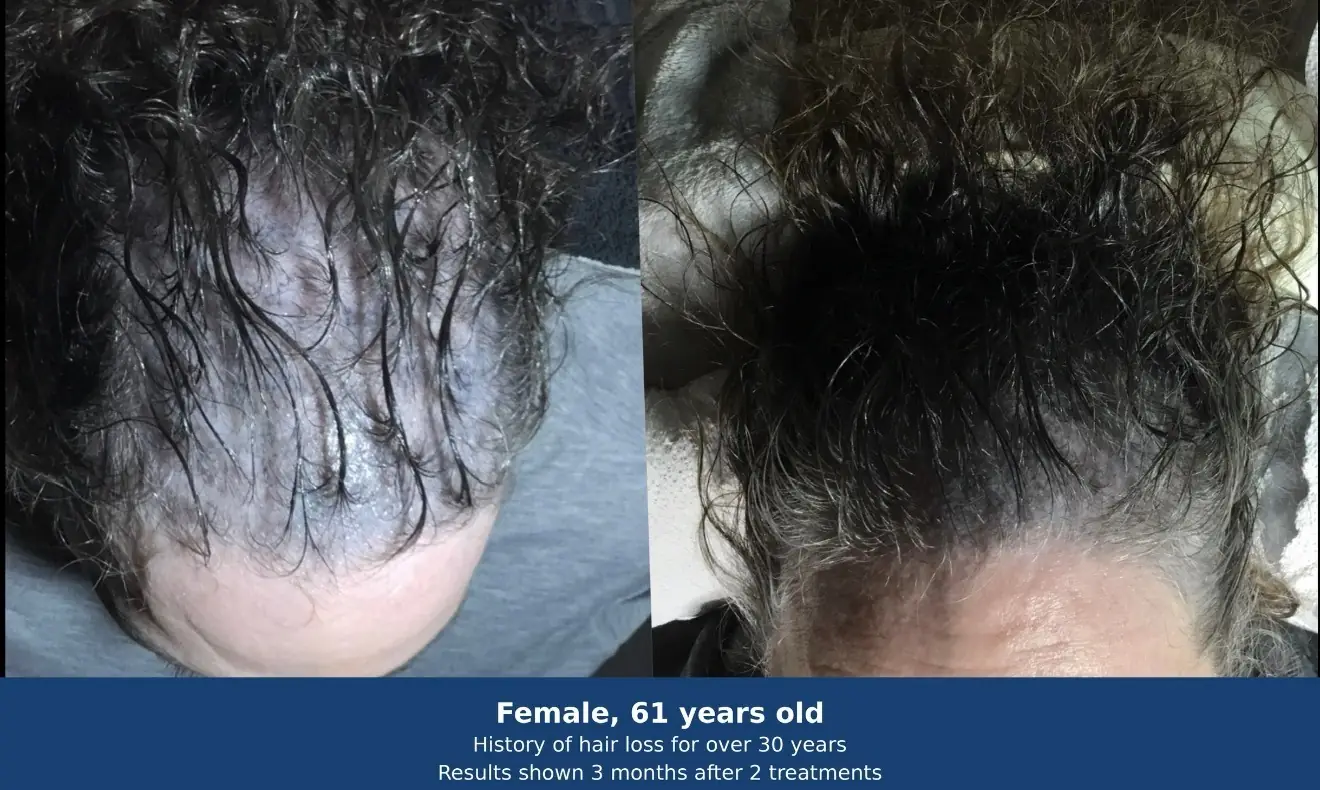
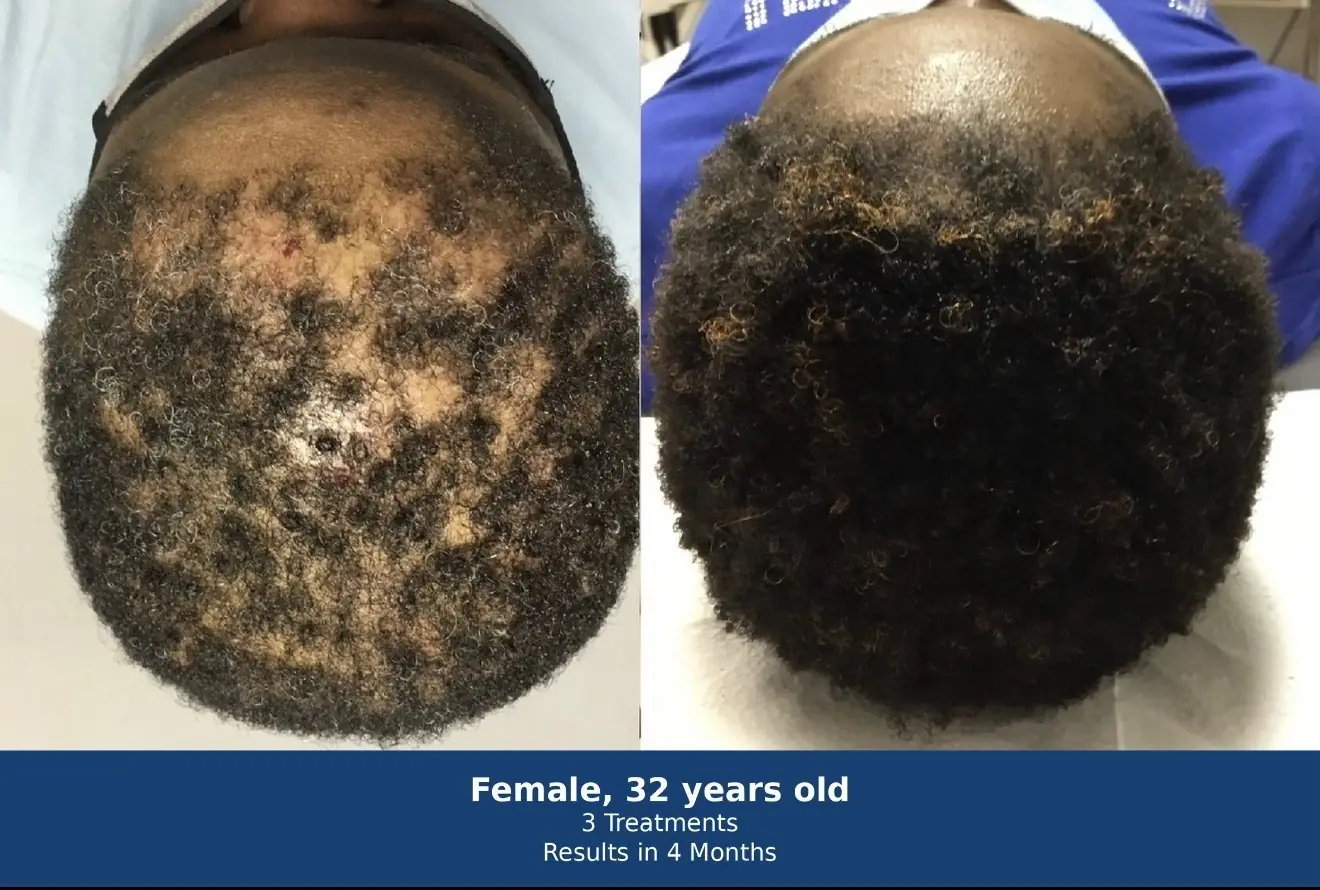
increases in the anagen/telogen ratio — meaning a greater proportion of follicles are actively growing at any given time. This translates clinically into increased hair density, reduced shedding, and improved hair thickness over time.

Key Benefits

Increased Hair Density
By activating dormant follicles and extending the growth phase, peptide therapy may support a measurable increase in the number of actively growing hairs per square centimeter of scalp.
Reduced Hair Shedding
Peptides that strengthen the follicular anchoring system and reduce inflammatory signals may help slow the rate at which hairs prematurely enter the telogen and exogen phases.
Improved Hair Shaft Thickness
Peptides supporting dermal papilla function and keratin synthesis may contribute to thicker, more robust individual hair shafts — enhancing overall hair fullness and appearance.
Stronger Follicular Anchoring
Stimulation of Collagen III and laminin in the follicular extracellular matrix may improve the follicle's attachment to the scalp dermis, reducing hair fragility.
Healthier Scalp Environment
Anti-inflammatory effects, improved microcirculation, and enhanced ECM protein synthesis create a scalp environment conducive to sustained follicular health and regeneration.
Complementary to Other Modalities
Bioactive peptides work well in combination protocols. Paired with ultrasound, exosomes, or PRP, peptide delivery is enhanced by improved dermal penetration and synergistic cellular activation.
Favorable Safety Profile
Unlike pharmacological treatments such as finasteride or high-dose minoxidil, bioactive peptides are naturally derived molecular signals with a well-documented tolerability profile and work with the body's own systems.

Start Your Hair Restoration Journey

Schedule a personalized consultation with our clinical team to determine your treatment plan.
Scroll to Top